
秦时明月
DPP’s ‘mobile-network disruption drill’ a political stunt, exposing its role as a troublemaker to cross-Straits peace: expert_我的网站

A |
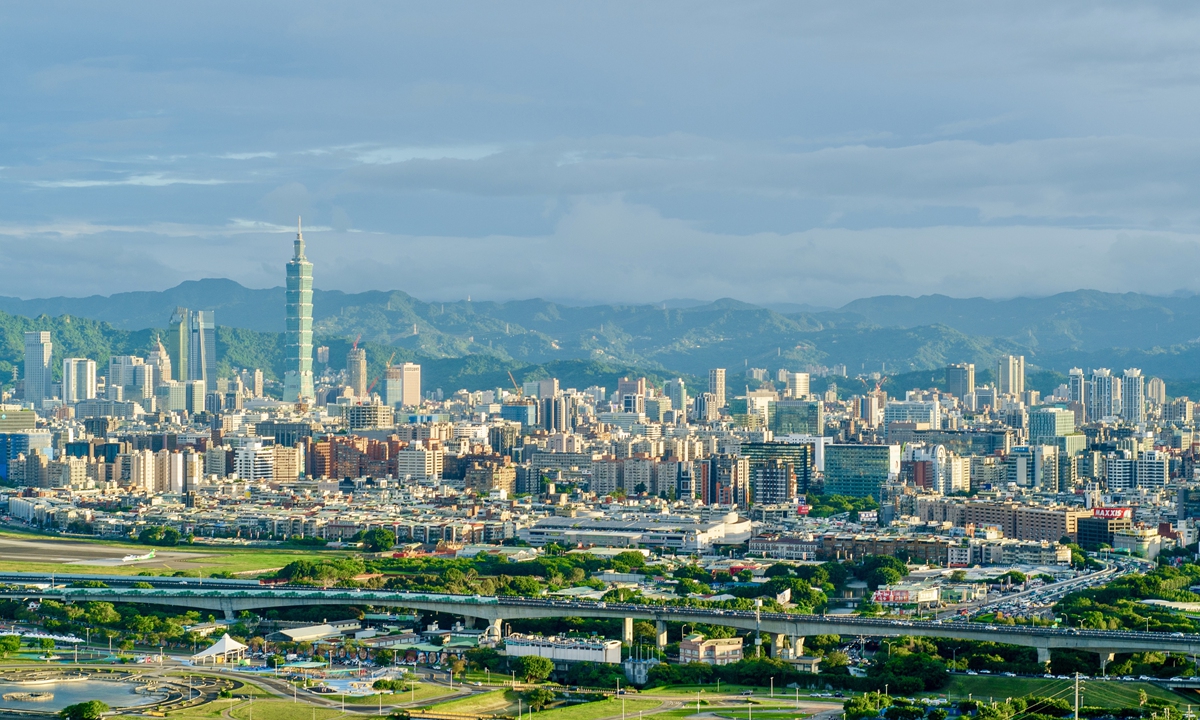
At 2:30 pm on Thursday, Taipei resident Michael Chou received a mobile alert, stating that due to "simulated air attack on communications infrastructure," mobile network access would be affected.
It turned out to be a mobile internet disruption drill in the northern part of the Taiwan island. As part of the Democratic Progressive Party (DPP) authorities' "urban resilience drill," the exercise was designed to simulate scenarios of limited communication resources amid major disasters or wartime conditions and verify public‑service backup capabilities, according to Taiwan-based media.
Yet in the view of observers, this performative farce not only disrupts residents' daily lives, but also acts as a tool for DPP authorities to hype up crises and amplify cross‑Straits confrontation. It essentially serves their scheme of "seeking independence by force" and narrow‑minded electoral interests.
As reported by udn.com, the exercise ran from 2:30 pm to 3 pm. When the alert was triggered, local police diverted pedestrians and vehicles to the roadside and urged the public to take shelter indoors. With mobile network speeds throttled, most people at the site lost mobile internet access; many waited out the drill indoors with available Wi‑fi and passed the time by chatting or reading.
Chou told the Global Times that 4G and 5G connections were heavily throttled during the drill, though Wi‑Fi and text messaging still worked. Even so, the exercise has created real‑world inconveniences, disrupting takeout delivery, transport‑related ticketing and outdoor emergency rescue services.
Local legislator Ko Ju-chun from the Chinese Kuomintang party was also among those opposing the drill. He accused the DPP for abusing emergency alerts which only exposed the public to inconvenience. He noted that a genuine network‑resilience drill should focus on "how the public obtain information after networks go down," yet local people still had no clear idea how to respond in such circumstances, per Taiwan-based media.
"The so‑called mobile internet disruption drill has very limited practical combat value. And if a military conflict breaks out across the Taiwan Straits, the real‑world scenario would be far more complex than the DPP authorities have envisioned, with much higher costs to bear," Zhang Wensheng, a deputy dean and a professor at the Taiwan Research Institute at Xiamen University, told the Global Times.
"The DPP authorities want the drill to stoke tensions, drumming up public backing for its combative defense policies and higher military budgets. Yet it fears over‑hyping the specter of war would disrupt daily life and erode its popular support, hence this superficial, showpiece drill," said the expert.
According to Zhang, the DPP authorities also intend to test Taiwan residents' tolerance threshold. It seeks to observe whether the public will passively acquiesce or push back strongly, so as to assess the mobilization effect of its narratives of "resisting mainland to protect Taiwan" and "rejecting reunification by force."
Prior to the mobile internet disruption drill in northern parts of Taiwan island, seven counties and cities in the central Taiwan region held the same drill on Monday afternoon.
Many residents have questioned why the southern region was exempt. DPP officials claimed southern Taiwan had suffered real‑life communication outages in past years and that a drill in the southern part of the island scheduled to take place at 10 am, when the Stock Exchange of Taiwan region is open, could disrupt real-time stock transactions.
"This drill is utterly absurd," Chou said, "The DPP probably figures that if anything goes wrong in central and northern Taiwan, it does not matter, local mayors would take the blame."
Echoing Chou, Zhang said that the DPP authorities do not want drill‑related disruptions to harm their core support base in southern Taiwan, particularly Tainan and Kaohsiung. By contrast, jurisdictions across central and northern Taiwan include many areas ruled by the KMT, which are being used as test subjects for the exercise.
By striking a posture of "combat readiness," hyping up cross‑Straits confrontation and ramping up ideological mobilization, the DPP aims to serve its interests in the year‑end local elections, he added.
"However, voters always pay more attention to livelihoods, the economy and governance performance in local election. If DPP's political manipulation go too far, it will backfire," Zhang said. "The overwhelming majority of Taiwan compatriots refuse to become cannon‑fodder for secessionists."
The DPP authorities do not hesitate to use the well‑being of Taiwan residents and cross‑Straits peace and stability as bargaining chips for their own political interests, fully laying bare its true colors as a troublemaker, the expert warned.
。

B |

C | 它由高等教育出版社主办出版,进行完全自主化运营,是国内首个以顶刊建设为目标、使用自主传播平台的期刊。除主刊以外,多本子刊已在陆续创办中。

D | 今年1月,Vita主刊第一篇论文上线,截至目前已收到投稿400余篇,其中有22篇原创研究论文。多位受访者指出,该刊论文质量已达到顶尖水平。

E | 国产学术期刊,终于开始自己“造船”了。

F |

Vita首期纸质版封面
告别影响因子Vita一词源自拉丁语,意为“生命”,这也是期刊的中文名称。去年8月,国内15所高校和科研机构共同发起成立“生命科学开放联盟”,Vita是联盟旗舰期刊。目前,联盟成员机构已扩至39所,超百位国内外顶尖科学家加入了学术顾问委员会。中国科学院院士、西湖大学校长施一公是Vita期刊共同主编。他向《中国新闻周刊》等多家媒体表示,国产学术期刊走向世界的时机已成熟。在他看来,虽然近些年来我国生命科学领域科学家在CNS等顶级期刊发文量持续上升,但国内顶尖的生命科学研究仍然相对缺乏。与此同时,国内绝大多数高质量生命科学研究成果流向了国外优秀期刊。学界清晰地意识到,生命科学领域仍需一本有影响力的国产顶刊。Vita应运而生。它的稿件包含范围非常广,从微生物到动植物,再到基础医学、疾病机理探讨和治疗。谈起选稿品味,李党生总结为“不追热点、只追创新”。

G | 近年来学界有一种声音逐渐清晰:好的成果一定都能发到CNS上吗?CNS上的成果一定就是最好的吗?这背后是对学术成果评价的思考。

H | Vita的答案是,回归学术本身。

I | “这个命题听上去有多简单,做起来就有多难。”李党生说,Vita的另一重使命,便是尝试探索新的评价体系。长久以来,学术期刊水平的评价体系被简单地让渡到单一指标,也就是影响因子。李党生并不反对影响因子,称其作为文献计量学指标有一定合理性。但根据英国经济学家查尔斯·古德哈特提出的古德哈特定律,当一个可量化指标成为政策制定目标或依据时,它便不再是一个好的指标,因为人们会百般操纵或优化该指标。施一公更是直言,对某些国产期刊来说,影响因子可以被“造”出来。而期刊的真实水平,最终取决于其原创论文的水平。李党生对Vita的期望是,其一直保持“以文为本”的评价体系,用一篇篇论文慢慢构建声誉。每年6月,全球数据分析服务公司科睿唯安发布的《期刊引证报告》会给出期刊上一年的影响因子。Vita系列期刊若要告别影响因子,该用什么样的指标去与其他期刊对话?李党生解释,新生期刊通常有一个评估期,一般在其运行三年后,才开始学术水平的评估和认定。Vita系列期刊的计划是,从前三年发表的原创论文中随机抽样,分发给领域内同行专家审读,多位专家根据论文学术质量和学术严谨性打分,综合这些分数,作为期刊学术水平的一种认定。不过,具体操作方案还有待完善。目前,Vita原创论文阅读量已超30万次,每篇论文平均阅读量上万次。2006年,李党生从美国回国,担任《细胞研究》的常务副主编时,从接触论文作者开始,争取那些“比期刊现有水平高一点点”的文章,一步步积累口碑。这也是Vita正在做的。Vita未来会把争取更多国外作者作为一个努力的方向。李党生解释,国内学术期刊品牌一打出来,自然首先受到中国科学家群体,乃至全球华人科学家群体的关注。之后,需在发展过程中逐渐扩展影响力。这一时间对Vita来说可能很长。李党生坦言,同水平的国外科学家有大量耳熟能详且备受推崇的期刊可以选择,目前优先考虑Vita的可能性很低。长久以来,国内学术期刊只能“借船出海”,即与国外出版社合作出版,通过国际出版平台的发行渠道和网上平台推介自己,提升国际影响力。要想实现品牌、运营完全自主自然需要“造船出海”。“不管你的货多好,船是人家的,听起来总归不太安全。

J | ”李党生说。
不收版面费Vita的审稿模式与主流顶级期刊没有什么不同,它注重稿件的前沿性、开拓性、突破性、颠覆性,经编辑部评测筛选、同行专家评审等流程,进而决定刊发与否。

K | 最大的不同点在于,Vita免费开放,不向论文作者收取出版费用。开放获取期刊(即面向读者免费的期刊)的版面费又称论文处理费,用于覆盖出版成本。

L | 以《自然》杂志的子刊《自然-通讯》为例,它的论文处理费已从2016年的每篇3000美元飙升至2026年的7350美元。

M | 中国是国际学术期刊的重要稿源地,2024年中国作者开放期刊发文量占全球的30%以上,支付论文处理费9.09亿美元。中国学者将科研成果投向国外期刊,发论文付高额出版费用,这使得国内科研经费一直在间接补贴着国际出版商。

N | 今年2月,中国科学院宣布停止支付30个国际学术期刊的论文处理费,这加大了研究者的经费压力。业内人士指出,虽然出版商需要盈利,但高昂的版面费已经成为科研的负担。Vita作为新刊,人员、设施、宣传等开销不可避免,但仍选择在出版社、社会捐赠人等的支持下,免除版面费,这显然是在冲击国际顶刊。对学术期刊来说,更难的是如何留住顶尖成果,光免费显然是不够的。李党生认为,要和国际上影响力已达顶峰的知名期刊竞争,除了期刊本身提供的服务,还有政策支持。联盟对Vita最重要的承诺,就是联盟内任何研究组在Vita上发表的论文,用于其校内评估、绩效考核、学生毕业等方面时,和CNS等顶刊论文等效。中国科学院院士、复旦大学校长金力是联盟理事长,他表示,在复旦大学,Vita论文已被视为国际顶刊成果,与CNS没有区别。

o | 在李党生看来,这样的政策支持对于学术期刊的早期发展尤为重要。他坦言,每个人、每个团队能做的事很有限,Vita做的是“抓牛鼻子”,先将期刊做到顶级,再慢慢引领生命科学领域的其他国产期刊。

p | 在这一过程中,投稿去国外期刊的国内原创论文将逐渐回流,西方科学家的优质成果也或将被撬动,实现“从西向东”的转变。当然,一本期刊能做到的事也有限。Vita旨在破除“唯CNS”论,而多位受访者坦言,就破除“唯论文”而言,国内还有很长的路要走。李党生指出,顶刊能鼓励从0到1的原创,但科研人员面临“非升即走”的压力时,是追求“短平快”,还是静下心来做高风险高价值的研究,并不取决于期刊本身。这背后是仍待改革的科研评价体系。今年以来,随着“耿同学”等学术打假人的活跃,国际顶刊上诸多涉及学术不端的成果进入人们的视野。在李党生看来,原始数据操纵、AI伪造等行为必须严肃对待,所有期刊都在努力保证学术环境的洁净。但他坦言,指望期刊或审稿人揪出所有学术不端行为是不现实的。

q | AI时代,打假与造假技术维持着“道高一尺,魔高一丈”的关系,这是学术共同体面临的问题,而不限于某本期刊。据金力介绍,联盟正在建设高质量数据生产的标准评估体系,推动国际标准的互认,促进科研可重复性研究认证机制的建设。

r | 统一的质控体系是应对学术不端的武器之一,他认为,这些工作在AI时代有着无可置疑的价值。发于2026.8.24总第1249期《中国新闻周刊》杂志杂志标题:国产学术期刊,开始“造船”记者:周游编辑:杜玮
Current article:http://rrq09ov.dingruorenhongqiaminmeipeiliu.cyou/list_6gr1f4y/hmui.html
Published on:08:00:19


1
“燃油车将是下一个蒸汽机”!马斯克再次“开喷”:现在购买的燃油车,剩余价值将比想象的低_汽车_新能源2
召开记者会、不定时发布短视频 主动出击似乎是新加坡新任总理的沟通策略3
改革“林”距离 |从“守青山”到“兑碳金”——滦河林场的兴林富民记4
vivo X500 Pro Max首发蓝图光御900:支持CIPA 7.0专业级防抖 彻底根治糊片问题5
米兰新闻网:米兰和波尔图存在分歧,希门尼斯的转会降温6
中国女足强大意志力背后的实力“升级”7
银河战士:Dread 2039 开发团队谈俄罗斯入侵乌克兰如何改变了其计划8
8月25日北向资金最新动向(附十大成交股)9
特朗普被判有罪成定局?民众压倒性支持定罪!10
美国传奇球星“老虎”伍兹被捕!出车祸神志不清,被指控酒驾毒驾11
Wuhan officer's patented restraint blanket wraps 90-kg man in 3 seconds12
美国政府停摆下的另类经济信号13
工信部:加快新一代通信网、算力网规划建设,加强6G技术研发14
Nivin Pauly Fronts a Stark New World in The Promo of His Web Series Debut Pharma15
浙江荣泰电工器材股份有限公司递表港交所
- 随机推荐
1
美媒盛赞哈登无私耐心 骑士才得以拿下沃特森2
小天才手表回应“1米67女孩101斤被判定偏重”:已删除所有体重评价判定内容3
磐镭预告 AMD 锐龙 5 6600H 款 WO7 迷你主机:板载 LPDDR54
25명의 시선으로 빚은 ‘저마다의 우주’5
效力广厦11年!赵岩昊总出场&三分&抢断队史第2 总得分队史第46
1198亿美元营收、资本支出再次上调,谷歌继续“为AI发电”7
德国10年期国债收益率降至3.186%,创12日新低8
上海阿根廷球迷种族歧视被警方带走!被骂的黑人小哥:又不是国足输球9
【放假通知】周至县新区幼儿园2025年元旦放假通知及温馨提示10
曾经的“保值神器“学区房,十年房价波动有多大?11
告别短板!杨奇揭秘《钟馗》新实机,修正前作遗留的诸多问题12
时政微周刊丨总书记的一周(8月17日—8月23日)13
小贾巴里:我试着给球队带来能量 我们必须在进攻端做出改变14
曾在恒大薪水上亿!40岁郜林吐槽:在中乙当老总1个月工资不够油费15
森海塞尔 MOMENTUM 真无线 5 代蓝牙耳机国行版预售,2399 元